
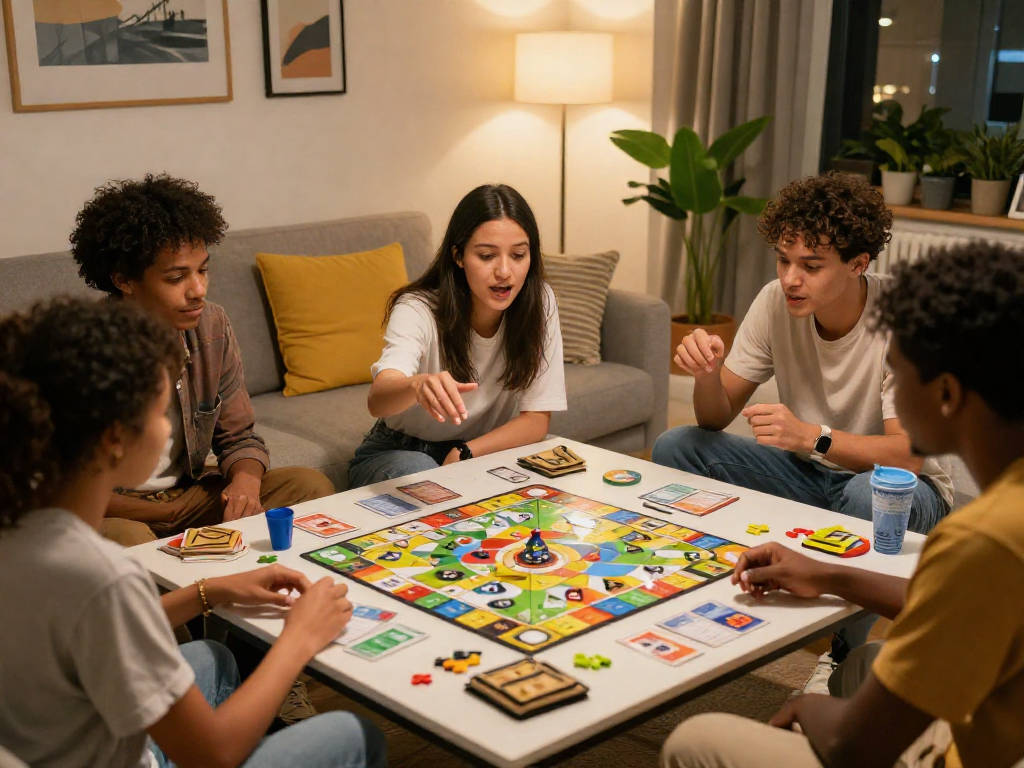
The Importance of Fair Play in Gaming
In the ever-evolving world of gaming, the concept of fair play is more critical than ever. As the industry expands and diversifies, creating a level playing field for all players is essential for maintaining the integrity of the gaming experience. Fair play encompasses not just adherence to the rules but also the spirit of competition, which fosters respect and camaraderie among players. This article delves into the fundamental principles of fair play, its impact on player experience, and the consequences of neglecting these essential values. For a deeper understanding of fair play in gaming, check out Fair play, a site dedicated to promoting these principles.
Understanding Fair Play Principles
Fair play in gaming is rooted in several core principles that ensure an equitable environment for all participants. These principles include:
- Integrity: Players are expected to act honestly and uphold the rules of the game.
- Respect: Acknowledging the efforts and skills of fellow players fosters a supportive community.
- Responsibility: Players should take responsibility for their actions in the game, acknowledging mistakes and learning from them.
- Inclusivity: Ensuring all players have equal access to opportunities and resources is vital for fair competition.
Impact of Fair Play on Player Experience
Embracing fair play significantly enhances the player experience. When players feel that they are competing on an equal footing, their enjoyment of the game is amplified. Fair play encourages healthy competition, leading to higher satisfaction levels and improved player retention. Additionally, a focus on fair play can attract new players, as word of mouth about a positive gaming environment spreads.
Consequences of Ignoring Fair Play
Neglecting the principles of fair play can lead to severe repercussions for both players and the gaming community at large. These consequences may include:
- Increased Cheating: A lack of emphasis on fair play can create a breeding ground for cheating and exploitation, undermining the gaming experience.
- Toxic Environment: When fair play is ignored, hostility among players often increases, leading to a negative atmosphere that alienates participants.
- Loss of Trust: Players may lose trust in the game's developers and the integrity of the gaming platform itself.
Current Trends in Fair Play for 2026
As we look ahead to 2026, several trends are emerging within the realm of fair play in gaming. These trends are shaping how developers and players approach fairness and ethics in gaming.
Emerging Technologies Supporting Fair Play
Advancements in technology are paving the way for enhanced measures of fair play. Tools such as artificial intelligence (AI) and machine learning are being integrated into gaming platforms to detect cheating and suspicious behavior more effectively. Real-time monitoring systems can analyze gameplay patterns, swiftly identifying irregularities that may indicate unfair practices. Additionally, blockchain technology offers transparent solutions that ensure players cannot manipulate outcomes or exploit loopholes.
Community Initiatives Promoting Fair Play
Community-driven initiatives are also playing a vital role in reinforcing fair play. From grassroots campaigns to organized events, players are coming together to promote ethical gaming practices. Online forums and social media channels are being used to raise awareness about fair play and encourage positive interactions among members. Developers are also partnering with community leaders to create guidelines that prioritize fair competition.
Case Studies of Successful Fair Play Programs
Numerous gaming companies have implemented successful fair play programs. For example, a leading competitive gaming platform introduced a 'Fair Play Champion' program, rewarding players who exemplify integrity and sportsmanship. This initiative not only encourages positive behavior but also fosters a culture of fairness, leading to a more enjoyable environment for everyone involved.
Challenges in Maintaining Fair Play
While initiatives are underway to promote fair play, several challenges persist that require attention. Identifying and addressing these challenges is crucial for the continued growth of the gaming community.
Identifying Cheating and Unfair Practices
The detection of cheating remains a significant obstacle for many game developers. As technology evolves, so do the methods used by cheaters to exploit systems. Developers must stay ahead of the curve by continuously updating their anti-cheat systems and utilizing community feedback to identify new forms of cheating.
Addressing Player Disputes Effectively
Player disputes can arise even in the most regulated environments. It is essential to establish a clear, fair process for resolving conflicts. This process should involve transparent communication channels and the availability of mediators to facilitate fair resolutions. Ensuring that players feel heard and respected during disputes can help maintain a sense of community and fairness.
Strategies to Foster a Fair Play Culture
Promoting a culture of fair play requires proactive strategies from both game developers and the gaming community. Strategies may include:
- Educating Players: Providing resources and educational materials on fair play principles can empower players to make informed decisions.
- Celebrating Fair Play: Highlighting positive player behavior through in-game rewards or recognition can encourage others to follow suit.
- Encouraging Feedback: Creating channels for players to provide feedback on their experiences can help developers identify areas for improvement.
Best Practices for Encouraging Fair Play
To promote fair play effectively, developers and players alike must adopt best practices that instill principles of fairness and inclusivity.
Incorporating Fair Play Rules in Game Design
Game developers should prioritize fair play principles during the design phase by implementing rules and mechanics that encourage equitable competition. This can include balancing gameplay elements, ensuring fair matchmaking systems, and providing clear guidelines for acceptable behavior.
Promoting Fair Competition in Online Gaming
In online gaming, establishing fair metrics for competition is vital. Developers can create tiered matchmaking systems that pair players of similar skill levels, ensuring a more balanced experience. Additionally, regular updates and patches should address any imbalances that may arise post-launch.
Building a Supportive Fair Play Community
A thriving community focused on fair play can significantly enhance the gaming experience. Developers should encourage community building by hosting events that promote interaction and collaboration among players, fostering a sense of belonging and shared responsibility toward fair play.
The Future of Fair Play in the Gaming Industry
Looking toward the future, the landscape of fair play in gaming is poised to evolve significantly, driven by technological advancements and changing player expectations.
Predictions for Fair Play Implementation by 2026
By 2026, we can expect to see a broader implementation of fair play guidelines across various gaming platforms. As players demand more transparency and fairness, developers will likely integrate robust systems that promote ethical gameplay, including enhanced reporting tools and improved player accountability mechanisms.
Building Relationships between Gamers and Developers
The relationship between gamers and developers will continue to be crucial in shaping fair play. Developers must actively engage with the community, soliciting feedback and making adjustments based on player input. By fostering open lines of communication, developers can build trust and encourage a culture of fair competition.
Impact of Fair Play on Industry Standards and Regulations
The push for fair play is likely to influence industry standards and regulations as well. As gaming becomes more mainstream, regulatory bodies may impose stricter guidelines for fair competition. This could include mandatory measures for anti-cheating technologies and standards for ethical game design.
What are the key benefits of Fair Play?
Fair play offers numerous benefits, including:
- Enhanced player satisfaction and retention.
- Positive community interactions and relationships.
- Increased trust in gaming platforms and developers.
How can players promote Fair Play in their games?
Players can promote fair play by adhering to game rules, being respectful towards fellow gamers, and reporting any instances of cheating or unfair behavior they encounter.
What technologies can ensure Fair Play in gaming?
Technologies like AI, machine learning, and blockchain are paving the way for innovative solutions that enhance fair play by detecting cheating, ensuring transparency, and creating equitable gaming environments.
What role do communities play in Fair Play?
Communities play a vital role in promoting fair play by supporting one another, sharing resources, and collectively advocating for ethical gaming practices. Community-driven programs and initiatives can help establish a culture of fairness.
How is Fair Play evolving with new gaming trends?
As gaming trends shift towards more immersive and interactive experiences, the concept of fair play is evolving. For more information, FairPlay offers valuable insights. Developers are increasingly recognizing the importance of ethical gameplay as they create more complex systems and multiplayer environments that challenge traditional notions of competition.